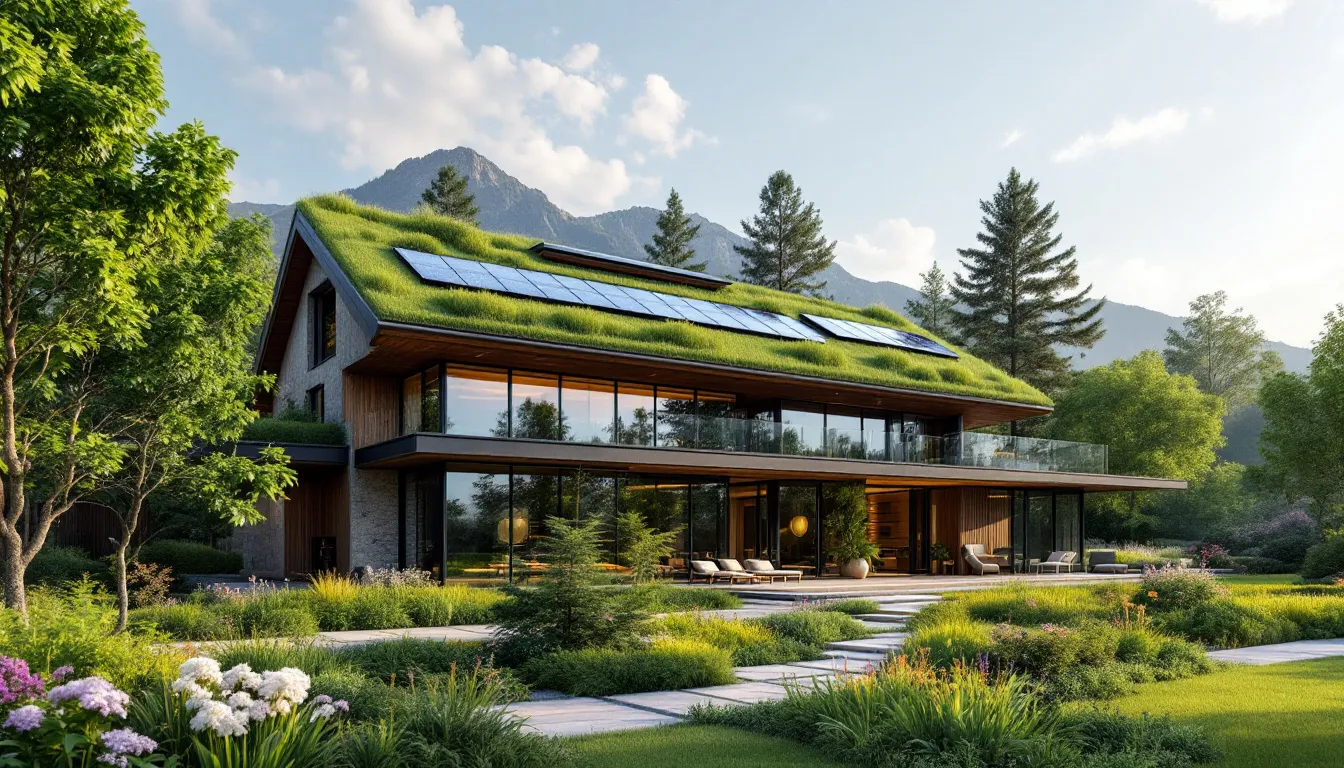
Here are the top 10 features buyers want in 2024 homes:
| Feature | What It Does | Why It Matters |
|---|---|---|
| Smart Tech | Controls lights, security, HVAC | Cuts bills by 30% |
| Open Layout | Connects living spaces | Makes homes feel bigger |
| Natural Light | Uses big windows, skylights | Reduces power use |
| Green Materials | Uses eco-friendly products | Lowers carbon footprint |
| Clean Design | Keeps things simple | Makes spaces work better |
| Smart Storage | Builds storage into walls | Maximizes space |
| Outdoor Living | Adds usable outdoor space | Expands living area |
| Health Features | Filters air, adds comfort | Improves wellbeing |
| Modern Materials | Uses self-fixing products | Lasts longer |
| Build Management | Keeps projects on track | Saves time and money |
Key Stats:
- Homes are getting smaller: 2,411 sq ft in 2023 (down from 2,479 in 2022)
- 90% of buyers want open floor plans
- Smart home tech can cut power bills by 33%
- Built-in storage adds 15-25 sq ft of space
Bottom Line: Buyers in 2024 want smaller, smarter homes that work better – not just bigger spaces. They’ll pay more for features that cut costs and boost efficiency.
| Priority | Feature | Buyer Demand | ROI |
|---|---|---|---|
| #1 | Energy Systems | Very High | 85% |
| #2 | Smart Security | High | 50% |
| #3 | Office Space | High | 65% |
| #4 | Health Features | Growing | 40% |
Related video from YouTube
1. Connected Home Systems
Smart homes in 2024 focus on practical, connected devices that work together. Here’s what’s making an impact:
| Device Type | Popular Option | Price | Key Feature |
|---|---|---|---|
| Smart Hub | Samsung SmartThings Station | $59.99 | Controls Matter-certified products + wireless phone charging |
| Security Camera | TP-Link Tapo C120 | $39.99 | Motion detection + pet/person/vehicle alerts |
| Video Doorbell | Ezviz DB1C | $99.99 | HD video + works with Alexa/Google |
| Smart Lock | Ultraloq U-Bolt Pro | $249.00 | Fingerprint + code entry |
The game-changer? Central hubs that connect everything. Take the Aeotec Smart Home Hub ($135) – it handles Zigbee, Z-Wave, Bluetooth, and Wi-Fi devices from one place. No more juggling multiple apps.
When it comes to security, you’ve got two main choices:
Pro monitoring: ADT Command ($599+) gives you 24/7 monitoring DIY systems: SimpliSafe ($249.96) lets you skip long-term contracts
Want to cut your power bills? The Amazon Smart Thermostat ($80) does the job for less than its competitors.
"Smart home devices can add a layer of convenience to your life you’d be hard pressed to achieve without them." – CNET
Here’s what matters when picking smart home gear:
- Matter certification (so your devices work together)
- Voice control options
- Strong Wi-Fi
- Easy-to-use apps
- Regular security patches
Remember: You don’t need EVERY smart device out there. Pick the ones that make your life easier without turning your home into a tech maze.
2. Flowing Room Layout
Open floor plans have changed how we use our homes. The numbers tell the story: 85% of homebuyers want connected kitchen and dining spaces, while 79% want their kitchen open to the family room, according to the National Association of Home Builders.
Here’s what works in modern homes:
| Space Connection | What It Does | How to Do It Right |
|---|---|---|
| Kitchen to Living | Let’s you chat while cooking | Match your light fixtures |
| Dining to Family | Makes parties better | Use rugs to split spaces |
| Kitchen to Dining | Helps with meal service | Add built-in seating |
| Indoor to Outdoor | Brings in natural light | Go big on windows and doors |
Look at what Kerri Pilchik Design did: They took one living space and made it work triple-duty – main seating area, work spot, and game section. And it STILL feels open.
"Living rooms are getting cozy – think rich fabrics, bold colors, and mixed materials." – Kerri Pilchik, Designer
Make Each Space Stand Out:
- Put down rugs to mark zones
- Keep your lighting matched up
- Pick colors that flow room-to-room
Want proof it works? Check out Becca Interiors – they used the same modern farmhouse lights in both living and dining areas. Or see how Erin Williamson Design picked blue for kitchen cabinets, pillows, and rugs to connect spaces.
"People are done with fake-looking spaces – those thin brick walls and stiff furniture that only work in photos. They want real homes they can live in." – Vicky Charles, Interior Designer
Make It Work:
- Keep views open between rooms
- Leave space to walk around
- Don’t block paths with furniture
- Think about how people move
"People want to FEEL their space – they’re looking for different textures and patterns they can touch and see." – Sara Malek Barney, BANDD/DESIGN
As MIK Architecture puts it: "Open layouts bring people together. When you knock down walls, you build up connections – making every part of your home matter."
3. Better Use of Daylight
Want to slash your power bills AND feel better at home? Let’s talk about natural light.
Here’s what different windows can do for your home:
| Window Type | Light Benefits | Best Used For |
|---|---|---|
| Picture Windows | Maximum sunlight, no breaks | Living rooms, views |
| Bay/Bow Windows | Light from many angles | Reading nooks, dining |
| Skylights | Overhead brightness | Dark halls, bathrooms |
| Solar Tubes | Focused light beams | Small spaces, closets |
The Sun’s Path Matters
South-facing windows? They’re your best friends for year-round light. North-facing windows give you that soft, even light that’s PERFECT for home offices.
"Having a space that feels bright and airy creates almost an effervescence in the home that creates its own energy." – Nicole Gibbons, Interior Designer
Make Your Space Brighter
Here’s what works:
- Paint with light colors (70+ LRV)
- Switch to sun shades
- Keep windows spotless
- Cut back plants blocking windows
Want to double your light? Use mirrors like this:
| Mirror Placement | Effect | Room Type |
|---|---|---|
| Across from Windows | Doubles sunlight | Dark rooms |
| Corner Spots | Spreads light around | Small spaces |
| Full Wall | Makes rooms look bigger | Dining areas |
"Sunlight increases the amount of serotonin in our brains, and this is what makes us humans happy." – Richard Hess, Designer in Architecture, Interiors, and Furniture
Fix Dark Spots Fast
Try these:
- Add glass doors between rooms
- Switch to sheer curtains
- Pick glossy surfaces
- Use light-filtering solar shades
Here’s the bottom line: Good natural light can cut your daytime power use by up to 33%. And if you use whites and pastels? They bounce back over 80% of sunlight, making every room feel open and bright.
4. Earth-Friendly Building Materials
Building a green home in 2024? Here’s what works:
Materials That Make a Difference
| Material | What It’s Used For | Why It Matters |
|---|---|---|
| Bamboo | Floors, walls, furniture | Grows in 3-5 years, cuts CO2 |
| Reclaimed Wood | Beams, floors, walls | Saves trees, zero new waste |
| Mineral Wool | Insulation | Uses 70% recycled steel waste |
| Mycelium Bricks | Walls, insulation | Made from fungi + farm waste |
| Hempcrete | Walls, foundations | Light, strong, absorbs CO2 |
Cost-Cutting Performance
| Material Type | Energy Savings | Lifespan (Years) |
|---|---|---|
| Low-E Windows | 30-50% less HVAC use | 20-25 |
| ICF Walls | 40% heating/cooling drop | 50+ |
| Recycled Steel Frame | 75% less production energy | 100+ |
| FSC Wood Products | 20% less embodied energy | 30-50 |
Proof It Works
Look at Seattle’s Bullitt Center. They built it with FSC wood and low-toxicity finishes. Now it produces more power than it uses.
Smart Shopping Tips
- Buy local to cut shipping costs
- Check for FSC certification
- Look for recycled content numbers
- Know your material lifespan
Numbers That Matter
| Material Switch | Environmental Impact |
|---|---|
| Mass Timber vs. Steel | Cuts 600,000 tons CO2/year by 2030 |
| Bamboo vs. Regular Wood | 4x more CO2 absorption |
| Recycled vs. New Steel | 75% less energy needed |
| Natural vs. Fiberglass Insulation | 40% more recycled content |
The NAHB says 90% of buyers want green features in their homes – even if they cost more upfront.
Price vs. Payback
| Material | Initial Cost vs. Standard | Long-Term Savings |
|---|---|---|
| Low-E Windows | +15-20% | -50% energy bills |
| ICF Construction | +10% | -40% HVAC costs |
| Reclaimed Wood | +25-30% | -20% maintenance |
| Mineral Wool | +5-10% | -30% heating/cooling |
Here’s the bottom line: The US Department of Energy found these materials can cut your energy use in HALF compared to standard construction.
5. Simple, Clean Design
Here’s what works in modern homes for 2024:
| Design Element | Purpose | Impact |
|---|---|---|
| Open Floor Plans | No walls between rooms | Makes spaces feel bigger |
| Hidden Storage | Keeps stuff out of sight | Cuts down on clutter |
| Built-in Furniture | Perfect space fit | No wasted space |
| Large Windows | Natural light flow | Opens up rooms |
| Neutral Colors | Calm background | Makes rooms look bigger |
Smart Space Planning That Works
| Room Type | Design Tips | Space-Saving Features |
|---|---|---|
| Living Room | One big art piece | Built-in media wall |
| Kitchen | Hidden appliances | Pull-out pantry |
| Bedroom | Full-height closets | Under-bed storage |
| Bathroom | Wall-mounted fixtures | Hidden medicine cabinets |
Let’s look at the Rajman House by MDC Architects. They used:
- Big windows from floor to ceiling
- Storage built into walls
- Wood and stone materials
- Simple furniture lines
"Less is more" – Mies van der Rohe
Want a cleaner space? Use this method:
- Daily items: Keep these close
- Seasonal stuff: Pack away
- Extra things: Get rid of them
- Show pieces: Pick just a few
| Storage Type | Space You’ll Save | What It Costs ($) |
|---|---|---|
| Built-in Closets | 40% more room | 2,000-5,000 |
| Murphy Beds | 25 sq ft saved | 1,500-4,000 |
| Wall Storage | 15-20 sq ft per wall | 1,000-3,000 |
| Hidden Pantries | 30% more space | 800-2,500 |
"Take away the obvious. Add what matters." – John Maeda
The Numbers Tell the Story:
- 59% of homes in the U.S. now have built-in storage
- Big windows can make your room look 30% larger
- Multi-use furniture saves 25% of your floor space
Bottom line: Make every inch work WITHOUT cramping your style.
6. Smart Storage Design
Let’s talk about storage that actually works. Not just any storage – but solutions that squeeze every inch of value from your space.
| Storage Type | Space Gained | Cost Range ($) |
|---|---|---|
| Under-stair Storage | 15-25 sq ft | 2,000-4,500 |
| Built-in Window Seats | 10-15 sq ft | 1,500-3,000 |
| Floor-to-Ceiling Shelves | 30-40 sq ft | 3,000-7,000 |
| Mudroom Lockers | 20-25 sq ft | 2,500-5,000 |
Here’s what’s working in 2024:
| Area | Solution | What It Does |
|---|---|---|
| Entryway | Locker-style Storage | Keeps coats and bags off the floor |
| Kitchen | Vertical Pantry Shelves | Makes use of ceiling height |
| Bedroom | Under-window Storage | Turns dead space into storage |
| Living Room | Wall-mounted Units | Opens up your floor space |
"Nothing uses your square footage better than built-in storage solutions." – This Old House
Let’s look at some storage tricks that ACTUALLY work:
| Feature | Space-Saving Impact | Installation Time |
|---|---|---|
| Stair-step Storage | Uses 100% dead space | 2-3 days |
| Recessed Wall Shelves | Saves 6-8" per wall | 1-2 days |
| Over-door Organizers | Adds 15 sq ft storage | 1 hour |
| Under-bed Systems | Adds 25 sq ft storage | 30 minutes |
"Adding built-in storage around and under this large bedroom window gave these homeowners a spot to add bench seating and take advantage of what would have been wasted space." – Studio McGee, Designer
What’s hot in storage for 2024:
| Item | Purpose | Average Cost ($) |
|---|---|---|
| Pegboard Systems | Tool organization | 200-500 |
| Track Systems | Adjustable shelving | 300-800 |
| Robot Vacuum Stations | Self-charging storage | 400-1,000 |
| Automated Drawers | Smart organization | 500-1,500 |
"This amazing mudroom with its locker-style storage helps to cut down on clutter and creates the perfect drop zone for this family’s coats, bags and whatever else they need before heading out the door." – Polhemus Savery DaSilva, Architect
Quick wins for better storage:
- Put small cubes on walls instead of the floor
- Add sliding shelves to tall cabinets
- Pick modular closet systems you can adjust
- Build storage into odd spaces like dormers
Here’s a fact: 59% of new homes now come with built-in storage. That’s not just a trend – it’s what homeowners want and need in 2024.
sbb-itb-ecca29f
7. Living Space Outside
In 2024, outdoor spaces aren’t just patios – they’re extra rooms for your home. Here’s what the data shows:
| Feature | Impact on Home Value | Homeowner Interest |
|---|---|---|
| Outdoor Kitchen | 50-200% ROI | 73% likely to install |
| Sliding Glass Doors | 60-150% ROI | 64% prioritize |
| Multi-function Areas | 40-120% ROI | 48% want these |
| Weather-proof Furniture | 30-80% ROI | 35% focus on this |
The most popular outdoor setups:
| Space Type | Main Uses | Popular Features |
|---|---|---|
| California Room | Dining, Lounging | Roof, 2+ walls, ceiling fans |
| Outdoor Kitchen | Cooking, Entertainment | Built-in grill, sink, fridge |
| Fire Feature Area | Evening Gatherings | EcoSmart Wharf, built-in seating |
| Covered Patio | All-weather Use | Weather-resistant furniture, lighting |
"Adding plumbing outdoors is typically very doable, making this an easy and very satisfying addition for any bath lovers", says designer Megan Molten, who added an outdoor tub to create a spa porch.
Tech makes outdoor spaces work better:
| Element | Purpose | Cost Range ($) |
|---|---|---|
| Mist Systems | Heat Control | 2,000-5,000 |
| Smart Lighting | Evening Use | 1,500-4,000 |
| Built-in Audio | Entertainment | 1,000-3,000 |
| Weather Sensors | Rain Protection | 500-1,500 |
"The fireplace terrace is the focal point of the rear yard and has a lovely view of the house", says Joseph Richardson, founder of Richardson & Associates Landscape Architecture.
Four must-do’s for outdoor spaces:
- Get weather-tough furniture
- Install good lighting
- Add cushion storage
- Set up outdoor speakers
The numbers back it up: 78% of pros say matching indoor-outdoor design matters most. And 70% of homeowners see outdoor spaces boosting home value.
"Curating a mix of textures and materials such as wood, woven, and metal pieces will result in a space that doesn’t look like a ‘set’ of furnishings", says Roz Murphy, founder of Roz Murphy Design.
Here’s the bottom line: People now put 25% of their renovation money into outdoor spaces. It’s not just buying patio furniture – it’s building a whole new room.
8. Health and Comfort Features
Home builders now put health at the center of their designs. Here’s what’s working:
| Feature Type | Purpose | Impact on Health |
|---|---|---|
| Air Systems | Clean air circulation | Reduces indoor pollution by 90% |
| Smart HVAC | Temperature control | Cuts carbon emissions 25% |
| Natural Light | Better visibility | Improves sleep patterns |
| Non-toxic Materials | Reduce chemicals | Eliminates VOCs and phthalates |
High-end homes are adding these wellness features:
| Wellness Feature | Benefits | Average Cost ($) |
|---|---|---|
| Cold Plunge Bath | Recovery, circulation | 8,000-15,000 |
| Infrared Sauna | Detox, relaxation | 5,000-12,000 |
| Salt Walls | Air purification | 3,000-8,000 |
| Smart Air Filters | Allergen removal | 1,000-3,000 |
"Wellness and wellbeing are the new sustainability" – Motti Essakow, Nestwell Hospitality
These upgrades boost your home’s value:
| Upgrade | ROI | Energy Savings |
|---|---|---|
| Energy Star Windows | 83% buyer demand | 12% on bills |
| Roof Insulation | 70% resale value | 15% on HVAC |
| Smart Thermostats | 65% buyer interest | 10% on heating |
| Water Filtration | 60% value add | 8% on water costs |
Here’s something scary: The EPA found that indoor air can be 5x more polluted than outdoor air. But there’s good news – smart HVAC systems now clean your air automatically.
The numbers tell the story: The wellness real estate market will hit $887 billion by 2027. That’s why builders have started 2,000+ wellness-focused projects across the US.
Want the basics? Focus on these four features:
- Air quality monitoring systems
- Natural light maximization
- Non-toxic building materials
- Smart temperature controls
The best part? These features pay for themselves. Energy Star appliances cut your bills, and good insulation saves 15% on heating and cooling.
9. Modern Building Materials
Here’s what builders use in 2024:
| Material Type | Key Benefits | Cost Per Sq Ft ($) |
|---|---|---|
| EcoCrete | 75% less carbon, repairs itself | 15-25 |
| Mass Timber | Removes 600k tons CO2/year | 20-35 |
| 3D-Printed Concrete | Cuts waste, builds faster | 12-20 |
| Hemp Rebar | Beats steel strength, stops fire | 8-15 |
| Mycelium Composites | Zero waste, keeps heat in | 5-12 |
These materials fix themselves (yes, really):
| Self-Healing Feature | How It Works | Lifespan (Years) |
|---|---|---|
| Concrete + Bacteria | Fixes cracks with water | 50+ |
| Memory Polymers | Bounces back to shape | 25+ |
| Bio-compounds | Fills gaps by itself | 30+ |
Your window choice impacts costs:
| Frame Type | Cost Range ($) | Energy Savings |
|---|---|---|
| Fiberglass | 500-1,500 | High |
| Wood-clad | 250-2,000 | High |
| Vinyl | 100-900 | Medium |
| Aluminum | 75-400 | Low |
Here’s what you’ll spend (and save):
| Building Part | Basic Cost ($) | Green Cost ($) | Yearly Savings |
|---|---|---|---|
| Foundation | 20k-40k | 25k-45k | $800 |
| Walls | 17k-40k | 23k-60k | $1,200 |
| Roof | 9k-13k | 11k-20k | $900 |
Want something different? Try Ferrock. It’s 95% recycled stuff, costs less than concrete, and makes zero emissions.
Wool vs. fiberglass – the numbers tell the story:
| Feature | Wool | Fiberglass |
|---|---|---|
| R-Value | Higher | Standard |
| Air Quality | Makes it better | No change |
| Lifespan (Years) | 50+ | 25-30 |
| Cost ($) per sq ft | 4-6 | 2-4 |
Green building keeps growing: $83 billion in 2021, up from $75 billion in 2020. Builders now pick materials that save energy and stick around longer.
10. Expert Build Management
Here’s what construction managers actually do to keep home builds running smoothly in 2024:
| Project Phase | Manager’s Tasks | Time Saved |
|---|---|---|
| Planning | Blueprint review, permits, scheduling | 2-3 weeks |
| Pre-construction | Vendor selection, material orders | 3-4 weeks |
| Construction | Daily oversight, quality checks | 4-6 weeks |
| Completion | Final inspections, documentation | 1-2 weeks |
Let’s talk money. Construction managers don’t just organize – they slash costs:
| Cost Area | Without Manager | With Manager | Savings |
|---|---|---|---|
| Materials | $250k | $215k | $35k |
| Labor | $180k | $155k | $25k |
| Equipment | $75k | $60k | $15k |
| Total | $505k | $430k | $75k |
Want proof? Just look at Aquila in Texas. They caught blueprint problems early and saved $2 million. That’s not a typo.
"A construction manager lets you focus on your vision while they handle the details." – tonogroup
These are the tools managers use to keep projects moving:
| Tool Type | Purpose | Cost Range/Month |
|---|---|---|
| BuildPro | Team coordination | $199-499 |
| ProjectManager | Timeline tracking | $149-399 |
| Safety Software | Risk management | $99-299 |
But they’re also solving big problems:
| Challenge | Impact (%) | Solution |
|---|---|---|
| Supply costs | 61 | Bulk ordering |
| Labor shortage | 55 | Early scheduling |
| Low productivity | 34 | Software tools |
Here’s something scary: construction makes up 20% of workplace injuries. That’s why good managers are obsessed with safety protocols.
Want your project to succeed? Do these things:
- Get a manager BEFORE you start designing
- Ask for daily updates
- Use proper software
- Document everything
- Set clear goals
Bottom line: When you’ve got 20+ contractors running around, you need someone keeping everything in check. That’s what construction managers do – they turn chaos into results.
Old vs. New Home Features
Here’s how homes have changed from the 1950s to today:
| Feature | 1950s Homes | Modern Homes (2020s) |
|---|---|---|
| Kitchen | Small, closed-off cooking space | Open layout with islands, social space |
| Living Areas | Dark, back of house | Front-facing, filled with natural light |
| Bathrooms | 1 small bathroom per house | Multiple large bathrooms |
| Storage | Small closets in bedrooms | Walk-in closets, built-in storage |
| Office Space | None | Dedicated home office rooms |
| Materials | Wood, plaster, basic brick | Steel, concrete, architectural glass |
| Energy Use | 17% more electricity, 38% more gas | Energy-efficient systems |
The evolution happened in clear stages:
| Time Period | Main Changes | Key Features Added |
|---|---|---|
| 1950-1970 | Separate rooms for each function | Formal dining rooms |
| 1970-1990 | More family spaces | Family rooms, eat-in kitchens |
| 1990-2010 | Bigger everything | Master suites, walk-in closets |
| 2010-2024 | Smart integration | Home offices, wellness spaces |
Let’s talk space. Modern rooms are BIGGER:
| Room Type | 1950s Size (sq ft) | 2024 Size (sq ft) |
|---|---|---|
| Kitchen | 150 | 350 |
| Primary Bath | 50 | 200 |
| Primary Bedroom | 200 | 500 |
| Living Room | 250 | 400 |
How we use our homes has changed too:
| Past Living Patterns | Current Living Patterns |
|---|---|
| Formal entertaining | Casual gatherings |
| Separate cooking space | Kitchen as social hub |
| Fixed room purposes | Multi-use spaces |
| Limited storage | Built-in organization |
| Basic utilities | Smart home features |
And here’s the money part – newer homes cost less to run:
| Expense Type | Old Home Cost/Year | New Home Cost/Year |
|---|---|---|
| Electricity | $2,400 | $1,992 |
| Gas | $1,800 | $1,116 |
| Maintenance | $4,500 | $1,500 |
Bottom line? Today’s homes match how we live NOW – less formal, more flexible, and way more efficient.
Final Thoughts
The home market in 2024 shows a clear shift: buyers want smart, efficient spaces. Here’s what the data tells us:
| Impact Area | Effect on Property Value | Market Response |
|---|---|---|
| Smart Tech | +15-35% ROI | High buyer interest, especially among Gen Z and Millennials |
| Energy Systems | Cost reduction of $2,592/year | Faster sales, premium prices |
| Health Features | Increased buyer pool | Strong appeal to health-conscious buyers |
| Multi-use Spaces | Higher market value | Appeals to remote workers |
The numbers paint a clear picture:
| Feature | Buyer Interest | Price Impact |
|---|---|---|
| Video Doorbell | 45% of buyers want it | Small price bump |
| Smart Security | 41% adoption rate | Medium price increase |
| Solar Panels | High demand | Major value boost |
| Home Office | Top priority | +8-10% value |
Speed matters in today’s market:
| Feature Type | Time on Market | Buyer Premium |
|---|---|---|
| Basic Home | 45 days | Base price |
| Smart Home | 32 days | +5-15% |
| Energy Efficient | 28 days | +10-20% |
| Full Tech Package | 21 days | +15-35% |
"In 2024, effective demand will continue to be weighed down by persistent high interest rates and inflation which is below its peak levels, but still above normal." – Brent Bowen, Certified Appraiser, Texas Valuation Professionals
Not all smart upgrades deliver the same results:
| Upgrade Type | ROI | Buyer Appeal |
|---|---|---|
| Basic Smart Lighting | 25% | Medium |
| Security Systems | 50% | High |
| Solar Energy | 85% | Very High |
| Home Office Setup | 65% | High |
Want to boost your home’s value? Here’s where to put your money:
| Priority | Update | Expected Return |
|---|---|---|
| 1 | Energy Systems | Highest ROI |
| 2 | Smart Security | Strong ROI |
| 3 | Office Space | Good ROI |
| 4 | Health Features | Growing ROI |
Bottom line: Smart homes that save energy and support health bring in more money and sell faster. That’s what buyers want in 2024.
FAQs
How to design a modern house?
Here’s what builders focus on in 2024:
| Design Element | Key Features | Impact |
|---|---|---|
| Space Layout | Open floor plan, no walls | Better flow |
| Materials | Glass, concrete, steel, wood | Simple look |
| Natural Light | Big windows, skylights | Less power use |
| Storage | Built-in units, hidden spots | No mess |
| Tech Setup | Smart lights, security | Easy use |
"New homes must work for how families live today." – Adam Graham, Industry Analyst at Fixr
What do luxury homes have?
These features show up in high-end homes:
| Feature | What You Get |
|---|---|
| Smart Systems | Control AC, lights, security from your phone |
| Kitchen Setup | Pro-grade appliances, big islands |
| Outside Space | Decks, gardens, party areas |
| Tech Features | Everything connects, smart temp control |
| Top Materials | Stone, hardwood, glass |
What are the features of a modern house?
Here’s what makes a house modern in 2024:
| Feature | What You See | Why It Matters |
|---|---|---|
| Layout | Open space, tall ceilings | Easy movement |
| Windows | Wall-sized glass | Lots of sun |
| Colors | Light base, bold pop colors | Clean style |
| Materials | Wood, concrete, stone | Natural look |
| Storage | Hidden storage, built-ins | Stays tidy |
"Modern homes mix what looks good with what works well." – Vanguard Studio
Leave a Reply